

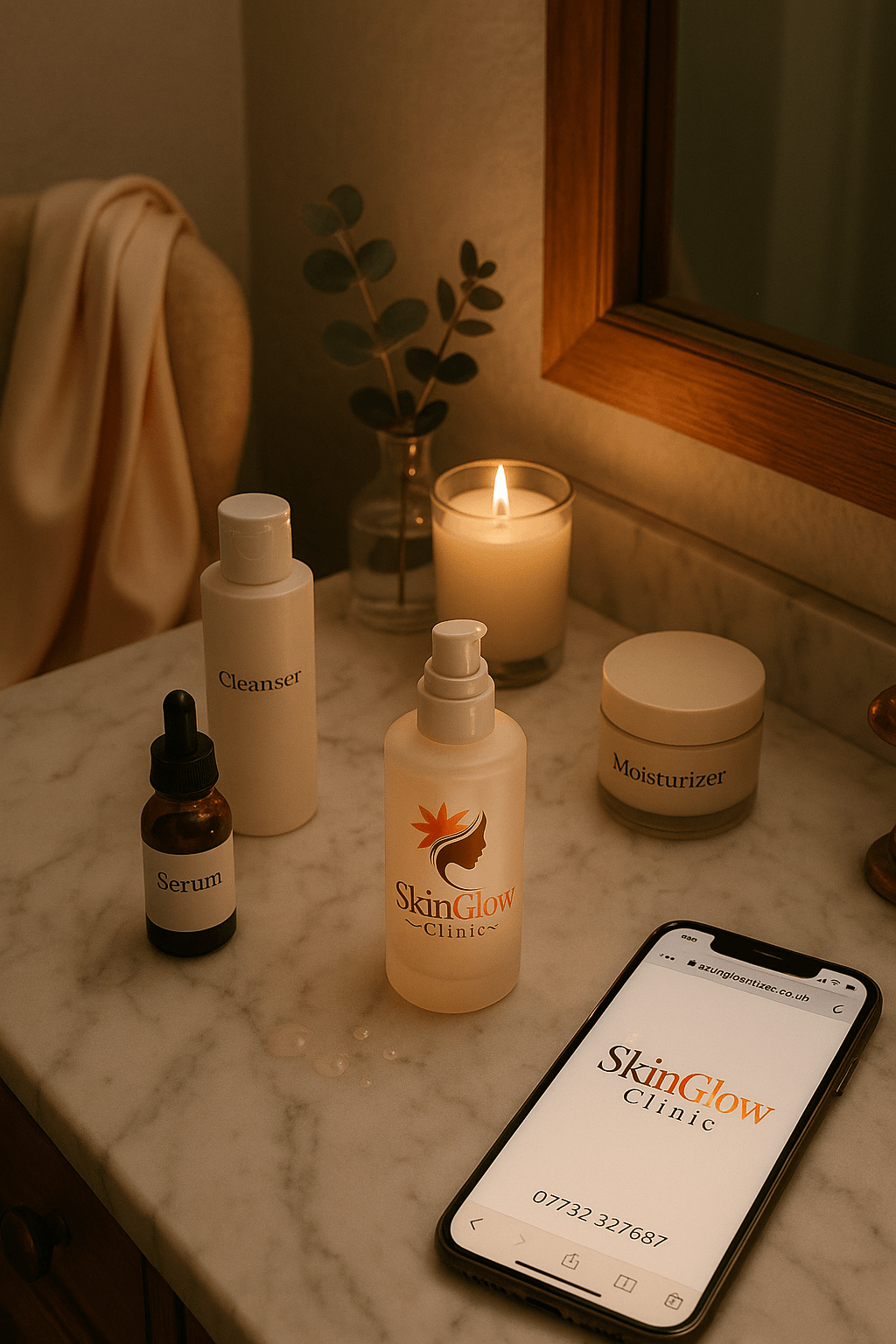
Starting a proper skincare routine can feel overwhelming, especially when you're bombarded with endless product recommendations and conflicting advice. At SkinGlow Clinic, we understand this confusion because we see it daily in our consultations. Our clients often arrive with bathroom cabinets full of products that don't work together, or worse, cause irritation.
As a doctor-led clinic, we've spent years helping clients in Eastleigh, Verwood, and beyond create skincare routines that actually work. The truth is, effective skincare doesn't require dozens of products or complicated multi-step processes. What it requires is understanding your skin's unique needs and building a routine that addresses them consistently.
Understanding Your Skin Type First
Before we discuss products, let's address the foundation of any good routine: knowing your skin type. We see many clients who've been using products completely wrong for their skin, often for years.
Your skin falls into one of several categories: normal, dry, oily, combination, or sensitive. However, these categories aren't fixed. Your skin type can change due to hormones, age, climate, and lifestyle factors. Many of our clients in their 40s and 50s notice their skin becoming drier than it was in their twenties, whilst others struggle with adult acne well into their thirties and beyond.
We always recommend observing your skin for a week without any products except a gentle cleanser. Notice how it feels in the morning, throughout the day, and after cleansing. This baseline understanding helps you choose products that support rather than fight against your skin's natural tendencies.
The Essential Morning Routine
Your morning routine should prepare and protect your skin for the day ahead. We recommend starting simple with four key steps that form the backbone of healthy skin.
Gentle Cleansing
Even if you cleansed the night before, your skin produces oils and sheds cells whilst you sleep. A gentle morning cleanse removes these overnight accumulations without stripping your skin's protective barrier. We often see clients using harsh cleansers that leave their skin feeling "squeaky clean" – this sensation actually indicates over-cleansing.
Choose a cleanser appropriate for your skin type. Cream or oil-based cleansers work well for dry or mature skin, whilst gel or foam cleansers suit oily or acne-prone skin better.
Treatment Products
This is where you apply any serums or treatments targeting specific concerns. Vitamin C serums work brilliantly in morning routines, providing antioxidant protection against environmental damage. However, start slowly – many clients experience irritation when they jump straight into daily use.
For those dealing with adult acne, morning treatments might include salicylic acid or niacinamide. We always advise introducing one new treatment at a time and monitoring your skin's response.
Moisturising
Every skin type needs moisture, including oily skin. The key is choosing the right formulation. Lightweight, gel-based moisturisers work well for oily skin, whilst cream formulations better suit dry or mature skin.
During our consultations, we frequently find that clients with oily skin skip moisturiser, leading to overproduction of oil as their skin tries to compensate for dehydration.
Sun Protection
This step is non-negotiable. Daily SPF use is the single most important anti-ageing step you can take. Choose broad-spectrum SPF 30 or higher, and apply it generously to your face, neck, and any other exposed areas.
Many of our clients worry about SPF causing breakouts, but modern formulations are much more elegant than older sunscreens. Mineral sunscreens containing zinc oxide or titanium dioxide work well for sensitive skin, whilst chemical sunscreens often feel lighter under makeup.
Your Evening Recovery Routine
Evening routines focus on repair and regeneration. Your skin does most of its healing work whilst you sleep, making this the perfect time for treatment products and richer moisturisers.
Double Cleansing
If you wear makeup or sunscreen, double cleansing ensures complete removal. Start with an oil-based cleanser or cleansing balm to break down makeup and SPF, followed by your regular cleanser. This method prevents clogged pores and allows your evening products to penetrate properly.
Treatment Time
Evening is ideal for stronger treatments like retinoids, alpha hydroxy acids, or peptide serums. These ingredients can increase sun sensitivity, making nighttime application safer.
Retinoids deserve special mention here. These vitamin A derivatives are gold-standard anti-ageing ingredients, but they require patience and proper introduction. We always recommend starting with the lowest concentration, using it every third night initially, and gradually increasing frequency as your skin adapts.
Night Moisturising
Evening moisturisers can be richer than morning formulations since you don't need to worry about makeup application or sun protection layering. This is also an excellent time for facial oils if they suit your skin type.
Common Routine Mistakes We See
Through our years of practice, we've noticed several patterns in skincare mistakes that sabotage even well-intentioned routines.
Product Overload
More isn't always better. We regularly see clients using ten or more products daily, often with overlapping ingredients that cause irritation. A simple, consistent routine outperforms a complicated one every time.
Impatience with Results
Skincare requires patience. Most products need 4-6 weeks of consistent use before showing noticeable results, with some ingredients like retinoids taking 3-4 months to show their full benefits.
Ignoring Patch Testing
New products should always be patch-tested, especially if you have sensitive skin. Apply a small amount to your inner forearm and wait 24-48 hours to check for reactions.
Inconsistent Application
Using products sporadically won't give you the results you're seeking. Consistency matters more than perfect products. A basic routine followed daily will outperform an expensive routine used occasionally.
Adapting Your Routine Over Time
Your skincare needs will change throughout your life. Hormonal fluctuations during menstruation, pregnancy, and menopause all affect your skin. Seasonal changes, stress levels, and lifestyle factors also play roles.
We encourage our clients to view their skincare routine as a living document rather than a fixed prescription. Regular assessment helps you adjust products and techniques as needed.
For clients dealing with persistent concerns like adult acne, pigmentation, or significant signs of ageing, professional treatments can work alongside your home routine to accelerate results. Our medical-grade treatments such as chemical peels, microneedling, and advanced skincare complement and enhance the effects of a well-structured daily routine.
Building Your Personal Routine
Start with the basics: gentle cleanser, appropriate moisturiser, and broad-spectrum SPF. Use these consistently for 2-3 weeks before adding treatment products. This approach helps you understand how your skin responds to each element.
When you're ready to address specific concerns, introduce one new product at a time. This methodical approach helps you identify which products work and which don't, preventing the confusion that comes from changing multiple variables simultaneously.
Remember that skincare is deeply personal. What works beautifully for your friend might not suit your skin at all. Pay attention to how your skin feels and looks, rather than following trends or recommendations blindly.
At SkinGlow Clinic, we're passionate about helping you build a routine that fits your lifestyle, addresses your concerns, and grows with you over time. Because when your skincare routine works properly, it becomes a nurturing daily ritual that supports both your skin's health and your confidence.
Your skin is unique, and your routine should be too. Take time to understand what your skin needs, be patient with the process, and don't hesitate to seek professional guidance when you need it.